

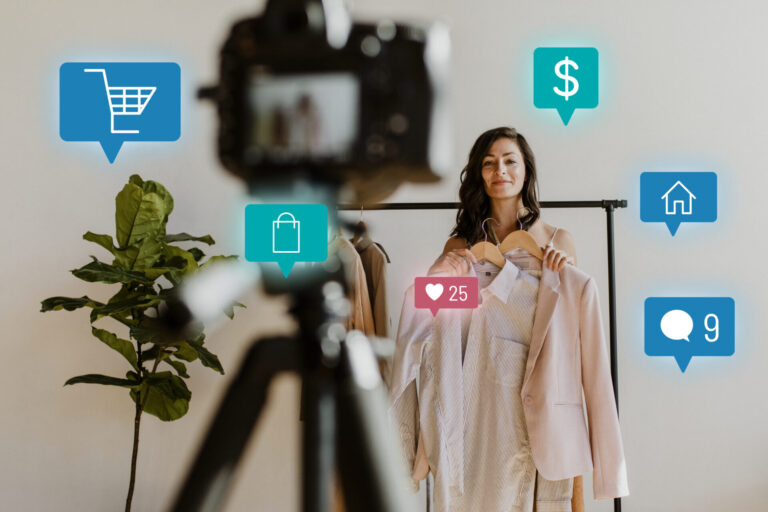
Most people don’t open Instagram or TikTok planning to buy anything. They open it to pass a few minutes. Then a short video shows a candle, a winter jacket, or a lawn care service, and ten minutes later an order is placed. That moment is social commerce, and it is changing how small businesses earn sales. If you run a shop, restaurant, or service company and you treat social media as a place to post and hope, this guide shows how to turn attention into orders. It is written for owners and marketing staff who want practical steps, whether you handle things yourself or work with a partner who offers Social Media Marketing Ohio companies can use to grow.
What Social Commerce Actually Means
Social commerce is selling products or services inside social media apps, from the first look to the final payment. A person sees a post, taps the product tag, checks the price, and pays without opening a separate website. Sometimes the sale happens through a direct message or during a live video.
It helps to separate it from two ideas it gets mixed up with. Social media marketing is the wider job of building an audience, sharing content, and making people familiar with your brand. Social selling is when a salesperson uses social platforms to start conversations with buyers, which is common in B2B. Social commerce sits where content and checkout meet. You still need the audience and the content, but the buying step now lives in the same place as the browsing step.
Why People Buy While Scrolling
Three things explain it.
The first is trust. People believe other people more than they believe ads. A customer photo, a comment saying “this fit perfectly,” or a creator using a product in a real kitchen carries more weight than a polished banner.
The second is less effort. Every extra click loses buyers. When the product, price, and pay button sit under one video, fewer people drift away.
The third is timing. Interest peaks the moment someone sees something they like. If they have to remember it, search for it later, and hunt down your website, many never come back.
This is why social commerce rewards honest content over slick content. A phone video filmed in your actual shop, showing how a product works, often beats a studio shoot because it feels real.
Where Social Commerce Happens Today
Platforms change their tools often, so check each app’s current seller rules, fees, and regional availability before you build a plan around a feature. Here is how the main ones are generally used.
Facebook and Instagram
Meta’s shopping tools let you tag products in posts, Stories, and Reels, and connect a product catalog. Depending on your account and location, customers may check out inside the app or be sent to your website. Instagram works well for visual products like clothing, home goods, food, and beauty. Facebook still reaches older buyers and local community groups, which matters for neighborhood businesses.
TikTok
Product links and TikTok Shop suit items that show well in short clips: a before-and-after, a quick demo, an honest review. Seller requirements depend on region, so confirm you’re eligible. Even without a shop, a strong video with a clear link in your profile can bring in sales.
Pinterest users often plan purchases weeks ahead, such as weddings, home projects, and gifts. Product pins with accurate prices and stock details keep sending traffic long after they are posted, which is very different from the quick burn of a video feed.
YouTube
Videos on YouTube can carry product tags and links. It suits products that need explaining, like tools, equipment, or courses, and the videos keep getting found through search for months or years.
Live Shopping
Live streams let you show a product, answer questions in real time, and offer a limited deal. Some sellers run a weekly live at a fixed time so regulars know when to show up. It takes practice, but it builds trust faster than almost any other format.
The Path From Scroll to Sale
A useful way to plan is to picture what the buyer goes through, step by step.
Stop the Scroll
The first two seconds decide everything. Open with the result, the problem, or something surprising, not your logo. A bakery should start with a cake being cut, not “Hi, we’re a local bakery.” Add captions to every video, since many people watch on mute.
Build Trust
Once someone stops, they quietly ask, “Is this real?” Show the people behind the business, real customers, real results, and real prices. Answer comments quickly and honestly, including the critical ones. Share reviews and customer photos, with permission.
Make Buying Easy
Go through every step as though you were a first-time customer. Does the product tag open the right page? Is the shipping cost clear? Does checkout work on a small phone screen? Any confusion costs sales. For service businesses, the “buy” step may be a booking link or a message, so keep that path short and make sure someone replies fast.
Follow Up
Not everyone buys the first time. Retarget people who viewed a product, ask buyers to leave a review, and send a thank-you message. Repeat customers cost less to win than new ones, and social platforms give you plenty of ways to stay in front of them.
Social Commerce for Ohio Businesses
Ohio’s mix of large cities, college towns, and small communities gives local sellers plenty of angles. A boutique in Columbus, a restaurant in Cleveland, a contractor in Cincinnati, and a farm stand near Dayton all face different audiences, but one principle holds for all of them: people respond to content that feels local.
Good Social Media Marketing Ohio work starts with local proof. Show your storefront on a real street, mention the neighborhood, tag the community events you attend, and write the way your customers talk. Game-day gear during Buckeyes and Browns season, holiday markets, county fairs, and long winters all give you built-in content ideas and reasons to buy now.
Local search and social also work together. Someone who sees your video will often search your business name on Google to check reviews and hours. If your profiles, website, and Google Business Profile match and look active, that check ends in a sale instead of doubt. This is where Social Media Marketing Ohio efforts and local SEO support each other.
If you sell only locally, state your pickup options, delivery area, and service radius in your posts. If you ship, say so. Confusion here wastes the interest you worked to earn.
Want a second pair of eyes on your current setup? You can book a free strategy call with Be Found Next and we’ll go through your profiles together.
Mistakes That Cost Social Sales
Most stalled social shops trip over the same problems. Watch for these:
- Posting product photos with no price, link, or next step
- Using stock images or reused manufacturer videos
- Leaving comments and direct messages unanswered for a day or more
- Sending ad traffic to a page that loads slowly on mobile
- Copying trends that don’t fit your brand or audience
- Tracking likes instead of orders and inquiries
- Selling on every app at once instead of doing one or two well
The last one deserves extra attention. Owners often feel pressure to be everywhere, and the result is thin, rushed content on five platforms. Two platforms done well will almost always beat five done poorly.
How to Tell Whether It Is Working
Likes feel good but they don’t pay bills. Track the numbers tied to money: clicks from social to product pages, add-to-cart actions, orders, booked appointments, and messages that turn into quotes. Add UTM tags to your links so your analytics show which post or platform sent each visit. Ask new customers how they found you, at checkout or at the counter, because social often influences a sale that is finished later on another device.
Review your results once a month. Look at which posts earned the most saves and shares, since saves usually signal buying interest. Look at which products get views but no purchases. The problem there is usually price, page quality, or trust, not the content itself. Change one thing at a time so you know what caused the difference.
A 30-Day Starter Plan
Week one. Pick one or two platforms where your buyers already spend time. Set up or clean up your profiles, and connect your product catalog or booking link. Make sure your name, logo, hours, and contact details match across every channel.
Week two. Film ten short videos in a single sitting: product demos, behind-the-scenes clips, a customer question answered, a common mistake in your industry. Batch filming saves hours and keeps your style consistent.
Week three. Publish three to five times a week and reply to every comment. Test one simple offer, such as a bundle or a first-order deal, and note what happens.
Week four. Read your numbers. Keep the two formats that performed best, drop the rest, and plan the next month. If you want to try paid ads, put a small budget behind your strongest organic post instead of building a new ad from scratch.
Working With a Marketing Partner
Some owners have the time to run this themselves. Others would rather spend their hours running the business. At Be Found Next, we help local companies plan content, set up shops and catalogs, run ads, and read the results, so social activity leads to real inquiries and orders.
Whichever route you choose, ask any provider how they report results, who creates the content, and how they use your real photos and stories. Be cautious about promises of guaranteed followers or overnight growth. Real growth comes from steady work and testing. A good Social Media Marketing Ohio partner should explain the plan in plain words and show you the numbers every month.
Frequently Asked Questions
Do I need a big following to sell on social media?
No. A small audience that trusts you often buys more than a large one that barely knows you. Focus on reaching the right people and giving them a clear reason to act.
How much does it cost to start?
Setting up a shop is often free on major platforms, though some charge transaction fees, so read the current fee list. Your main costs are time, content creation, and any ads you choose to run.
Which platform should I start with?
Start where your customers already spend time. If you’re not sure, ask a few of them. Restaurants and beauty businesses often do well on Instagram, local services on Facebook, and product demos on TikTok.
How long before I see results?
Some businesses see first sales within a few weeks. Steady results usually take a few months of consistent posting, testing, and follow-up.
Final Thoughts
Social commerce works because it shortens the distance between interest and purchase. It isn’t about being on every app or chasing every trend. It is about showing real products to real people and making it easy for them to buy. Start small, watch your numbers, fix what isn’t working, and repeat. If you want help building a Social Media Marketing Ohio plan that fits your business, Be Found Next is ready to talk.
